
Rooted in tradition, always moving forward
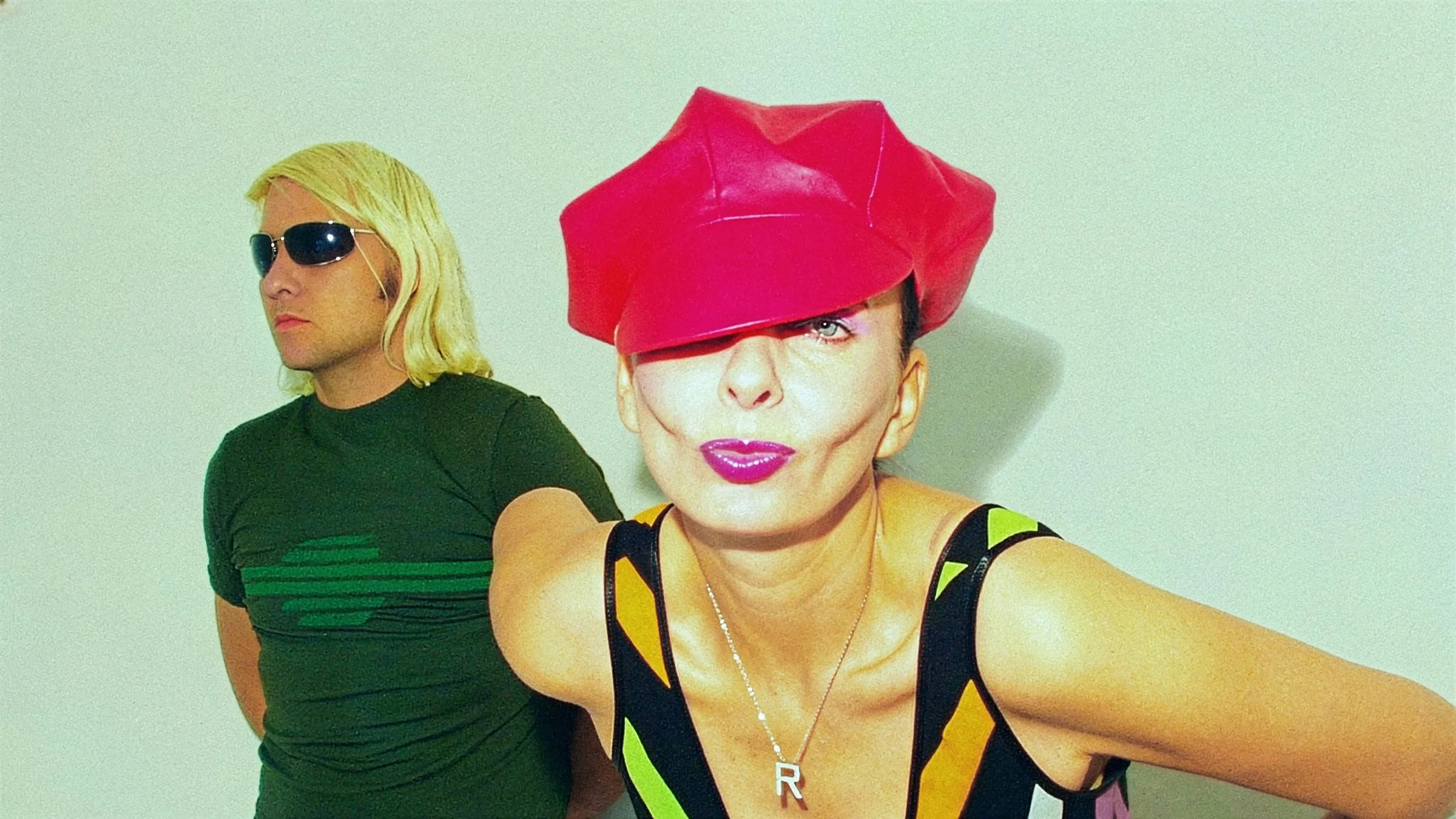
Kitbuilders burst onto the electronic music scene in 1997, at a time when IDM was flourishing thanks to pioneers like Aphex Twin and Autechre. Their arrival coincided with the rise of electroclash, a genre merging IDM’s intricate textures with more danceable, experimental sounds shaped by artists such as Miss Kittin & The Hacker and Adult. Since then, Kitbuilders have left their unique mark on electroclash and electropunk, favoring a selective release schedule that highlights quality and innovation. Notable tracks like "Bad Girl" (2001) and "You Trashed My Mind" (2011) have kept fans anticipating each new chapter in their evolving sound. With their new album “Stupid Games” on EC Underground, Kitbuilders continue this legacy. The limited edition 7” vinyl features two special tracks, while the CD includes 11 songs plus a bonus track—gathering remastered and unreleased material from as early as 1999 to today, and reflecting both their roots and ongoing evolution. So, we sat down with the band to hear their story in their own words—beginning with a question that truly captures what Kitbuilders are all about.
Since starting in 1997, how have your backgrounds and personalities shaped Kitbuilders’ sound and ethos? Are there any key moments that significantly influenced your artistic direction?
Ripley began her musical career as a singer in a punk band. Then she met Benway, the keyboardist, and they started jamming together. At that time, in the early '90s, techno music became the new punk, and we released techno tracks as SBX-80. In the early '90s, we hosted the first techno parties in Cologne, inviting DJs such as Derrick May, Jeff Mills, Juan Atkins, Robert Hood, Terrence Dixon, and many more. Then techno became a bit boring for us, so we started our electro project, Kitbuilders, which incorporated more vocal elements and influences from pop, IDM, and punk. We had a studio in a gas station in Cologne, where we recorded a lot of music. We love electro because it is a very open musical style; it can be funk, pop, new wave, experimental music, and much more. One day, we played in an old warehouse in Cologne and shared the stage with a couple from Detroit. They called their brilliant band Artificial Material; later, they changed their name to ADULT. We got along well with them and released some tracks on their label, Ersatz Audio. In 2000, we played the Sonar Festival with them and Magas. At that time, we had releases on "World Electric" and "Electrocord" (the label of Bolz Bolz and Rootpowder).
Once, when we played in Eindhoven, Netherlands, one of the DJs was the legendary Andrew Weatherall. We got to know him and his wonderful girlfriend, Amanda. She runs a booking agency in London, and we played many gigs that she managed (in clubs such as Fabric). We remember playing at a festival they organised in the UK, Dedbeat Festival, in a holiday trailer park with Aphex Twin, artists from Rephlex, DMX Krew, and many more. The vibe there was great. During our live set, a false fire alarm sounded, and everyone was forced to evacuate. We thought our performance was ruined, but shortly after we resumed, people started raving as if nothing had happened. Ed from DMX Krew gave us the chance to release music on his great Breakin Records label. In New York, we played the opening of Larry Tee's club in Brooklyn. He's the guy who coined the term "Electroclash." So many people supported us, including the scene around the brilliant DJ Stel-R from Brussels, Andy Barton, and Dave Clarke. There were too many to mention.
Both of you bring a unique touch to Kitbuilders. Could you share any personal influences, musical or otherwise, that might surprise your fans? How have things like film, art, or literature helped shape your sound?
We share many influences, Mantronix, Lydia Lunch, DAF, Richard Prince, Cindy Sherman, and Kippenberger, to name a few, but we also have some special favorites. Here are some names Ripley would like to mention:
Music: The Ruts, Madonna, Joy Division, Roxy Music, Pretenders, Bowie, Lydia Lunch, Gang of Four, and Aphex Twin.
Film: Eisenstein, Fritz Lang, and Hitchcock.
Books: Sylvia Plath, Simone de Beauvoir, Murakami, and William Gibson.
Some of Benway's favorites:
Music: Can, Neu, Kraftwerk, Herbie Hancock, Sun Ra, Flying Lizards, Brian Eno, Devo, Magma, Stranglers, Sparks, Stockhausen, and Young Marble Giants.
Film: Coen Brothers, Werner Herzog, Alejandro Jodorowsky, Antonioni, and Kubrick.
Books: William Burroughs, J. L. Borges, Bataille, Kafka, Denton Welch, David Foster Wallace, and Cormac McCarthy.
Can you describe your creative process and any unconventional methods you use? How do you balance structure with spontaneity when producing tracks?
Ripley: We often start with a groove pattern or a synth riff. I like to improvise vocals, and from that material, we develop the other parts of the track. I write lyrics based on the atmosphere of the music and the mood I’m in.
Benway: We are inspired by the hardware we use. We like the “ghost in the machine.” Old synths and drum computers have a special vibe and embody the vision of their creators. They can act like time machines, and sometimes have certain quirks—like running out of sync or being out of tune—which can lead to happy (and creative) mistakes in the production process. We never use a notebook on stage; we prefer hardware like the Akai MPC or the Roland SH-101—it’s more fun!