
Honest insights from an IDM tinkerer
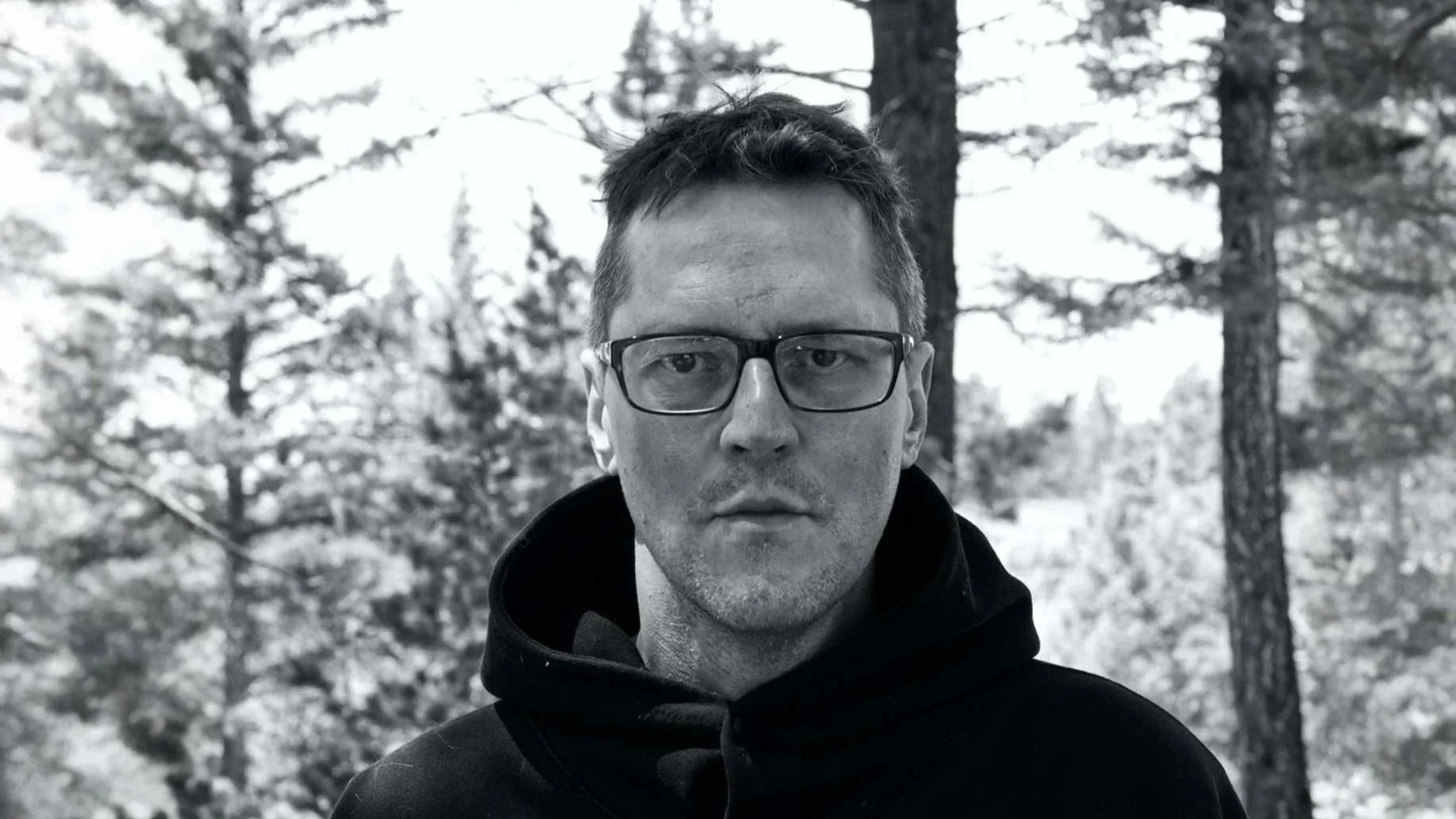
Some artists don’t just break the mold—they toss it out the window and start from scratch. Syrte, the experimental alter ego of Stefan Weise and the creative force behind Science Cult, is definitely in this camp. With a sound that fuses dystopian energy, mysterious lyricism, and raw IDM intensity, Syrte’s music feels like a late-night joyride through a sci-fi cityscape—equal parts hypnotic and unpredictable. Through both his own productions and the releases on Science Cult, Syrte is helping to advance the language of IDM—proving that in electronic music, “weirder is better,” and that individuality is the true engine of innovation. In this interview, we chat with Syrte about his creative process, his love for all things left-of-center, and how embracing his own quirks has helped shape both his sound and the ever-evolving world of IDM.
Your alias, Syrte, comes from a sci-fi universe and a wish for faceless, experimental creation. Even within IDM’s abstract world, how do you notice your own quirks or personality showing up in your music, despite wanting to stay anonymous?
I’ve always been called “weird” or “strange,” but I embrace that and honestly don’t care what others think. I guess that naturally comes through in the music I make, and I’m happy with that. I’m not really striving for total anonymity, but I do think it’s irrelevant for people to see my face or focus on those details. I’d rather let the music speak for itself and have people pay attention to that instead of me as a person. It’s always been part of the ethos of underground electronic music that what an artist looks like isn’t as important as the music they create.
IDM often explores the human-technology relationship. Have any personal experiences or unconventional viewpoints influenced how you approach this dynamic in your music, whether in subtle or obvious ways?
To frame the narrative for a series of releases on Science Cult, I’ve written short stories and concept stories that deal with topics surrounding technology and humans. If you follow Ray Kurzweil’s ideas on the topic, he postulates that we’ll see a full human & technology melding within the next 25-50 years. If you want to dive deep into this topic, I recommend listening to “Will Spiritual Robots Replace Humanity by 2100? - Stanford” on YouTube. One observation I've made is that many of the “rave kids” from the 90s weren’t always interested in the recreational aspects of the scene, but rather in having our minds blown by futuristic and alien music, cool new visuals, and the process of making the music itself. I’ve met many people who came out of those times to become engineers, scientists, and thinkers, among other things. I think that the early rave scene birthed many intellectuals and serious thinkers, and I find that fascinating. As we go through life, it’s important to maintain neuroplasticity, and I think music genres like IDM and Experimental offer that since listening to that kind of music forces you to abandon traditional musical thinking—at least it’s that way for me.
Science Cult is known for its adventurous sound and storytelling. Are there personal traits—maybe things that once made you feel out of place—that now inspire your work as both an IDM artist and label curator?
Absolutely. I’m on the spectrum, and I've always struggled with that, especially in my younger years. With Science Cult and the IDM / Electro / Techno community in general, I feel very much at home. It’s a safe place for full artistic expression, with an emphasis on pushing boundaries. I’ve never felt judged or told to change my sound to fit some mold (not that I would do that anyway).
Your music and label celebrate the unfamiliar and break genre rules. Can you share a time when embracing your own “weirdness” led to a creative breakthrough for you or another artist?
I get tired of “textbook” styles of music pretty much immediately, and I hate genres. Just because someone at one point laid out the basic elements of a genre doesn’t mean that has to be the formula for every song in it. I remember the first time I heard Kraftwerk on German radio in the early 80s and thought it was the most futuristic and alien-sounding thing I'd ever heard. That sense of excitement about new music has always stayed with me, and I constantly seek music that sounds like it’s from another world or future time, rather than hearing the same old sound rehashed again and again. I suppose if you had to put a label on it, I prefer anything that spits in the face of the genre it’s meant to represent.
Your music explores the edges of human-machine interaction. Are there any unusual or unsettling questions that influence your creative process, and how do you channel those abstract ideas into your IDM work and your label?
While I enjoy thinking about the details of human-machine integration, it’s not really my focus when I make music or select tracks for the label. I approach music as a tinkerer rather than a musician—I keep sketching ideas until something interesting emerges, or I’ll just say “forget it” and intentionally mess things up until it turns into chaos. Usually, that’s when I find something I like—until I revisit it later and change my mind. When picking music for the label, I look for sounds that aren’t typical for the artist or just resonate with my own perspective. It’s hard to put into words, but I like weird because I’m weird.