
Being genre-agnostic might give us a better chance against being cloned by AI
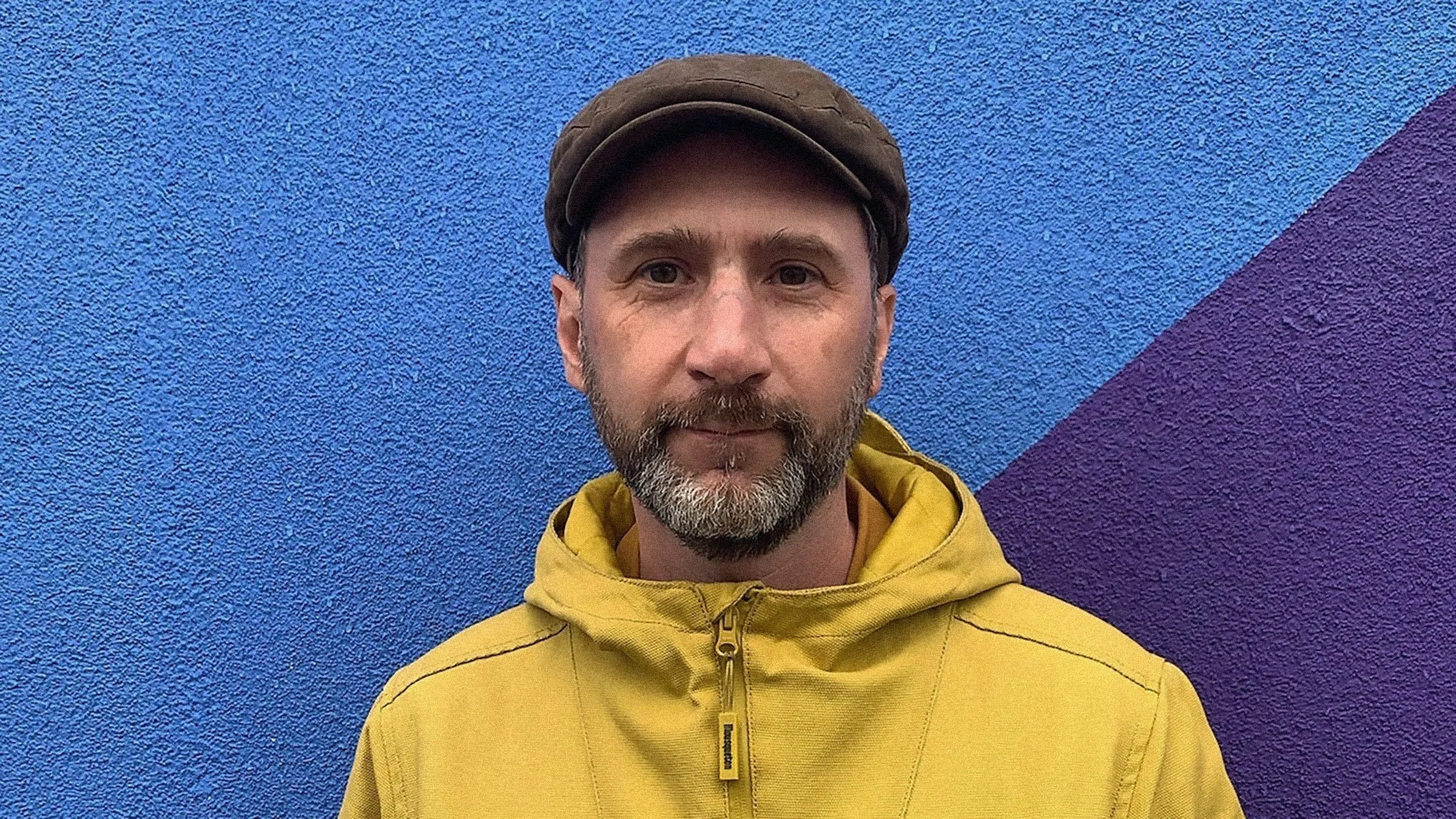
When talking about IDM pioneers, names like Aphex Twin and Autechre often come up, but Simon Pyke, aka Freeform, has quietly carved his own influential path since 1995. Blending IDM, jazz, world music and more across cult labels such as Warp, Skam and Bedroom Research, his albums Human and Wildcat drew praise for their inventive spirit and even caught the attention of John Peel. Beyond his solo releases and recent remastered retrospectives, including Rewind (with Bedroom Research’s Matthieu Debliqui), Pyke’s creative reach extends into sound design for BMW, collaborations with Hans Zimmer and work for SKY TV and the Sydney Opera House. Now, with the release of his new album “Aurelume”, he invites listeners into a world of subtle electronic beauty where techno precision meets ambient warmth and classic IDM sensibilities. We spoke to Freeform about his creative process, independent spirit, and what keeps inspiring him as he continues to push electronic music forward.
Your work has always embraced an eclectic blend of styles, IDM, jazz, musique concrète and more often defying easy categorisation. What aspects of your own personality or life experience do you feel fuel this genre-blurring restlessness?
I think part of it comes down to not feeling massively rooted in any one particular culture, and as a result, I don’t feel indebted to one genre. I’ve wondered if it’s connected to moving around a little bit as well. I don’t come from a family with generations in one place. In the past, I’ve also had an aversion to being pigeonholed, almost seeking to avoid it. I guess because there is so much music, I’ve always felt it’s important to make something new. Especially when I was younger, that felt really important. I stopped consciously considering that for a while, but more recently I’ve been thinking about it again. I feel like being genre agnostic might give us a better chance against being cloned by the AI machines.
In a scene full of distinctive voices, you’ve managed to carve out a quietly influential presence. How do you see the value of standing apart versus standing out, and how has this shaped your approach to both music and collaboration?
I don’t consciously try to stand out in an attention-seeking way. I tend to follow my taste and whatever excites me at the time. I try to manage my inner critic by setting up scenarios where I can play around without self-judgment, then look back and edit later. It links back to what I mentioned earlier about not worrying whether I’m meeting the conventions of a particular genre.
Many artists feel pressure to conform to expectations or replicate past successes. How have you navigated the tension between artistic loyalty to yourself and the external demands of labels, listeners or industry trends?
One of the few advantages of never having a large-scale following is that it hasn’t been a real issue for me, at least from labels. I think I have a small but curious and dedicated following who understand where I’m coming from with my jumping around. I like to think so anyway. I’m not very well aligned with industry trends. I listen to a lot of music, but not necessarily brand-new releases or one scene in particular. The closest I tend to get to industry trends is probably doing the polar opposite, possibly to my detriment.
Your retrospective projects and remastered releases invite listeners to engage with your archives in new ways. What has revisiting your older, perhaps more experimental work, revealed about the evolution of your creative identity?
One thing that struck me when listening to my early stuff was that many of the core ideas I thought I had developed later were already there. We can’t get away from ourselves. I’ve refined techniques and expanded my sound palette, of course. I think part of getting older as an artist is learning to retain that joyful playfulness of youth. You have to remind yourself of it by creating scenarios that nurture it. When you are in your teens or twenties, you never consider that.
Your career has spanned a remarkable range of unconventional spaces from composing for installations with Hans Zimmer and soundtracking exhibitions and TV, to working with visionary design studios like The Designers Republic and Universal Everything. How have these multidisciplinary collaborations shaped your understanding of the relationship between sound and visuals, and what have they taught you about embracing weirdness and unpredictability in your creative process?
The relationship between sound and vision is a conversation. When it works well, the combination becomes more than the sum of its parts. Sometimes the sound tells you something that isn’t apparent in the visual. Sometimes you hold back because it is already clear from what is on screen. Sometimes you are helping to set the emotional atmosphere. I’ve found that in the context of visuals, people are often more open to extreme or unusual sounds than they might be otherwise, perhaps because it is part of the language of film. In terms of workflow, working in that field has taught me to be disciplined. Not only to work quickly, but also to organise my sound libraries and experiments so that I always have seeds of ideas ready to spring from during moments when inspiration is low.